

Fighting skin cancer with UV light 💜
Our solar callused history of vanity | DHEA

*We are not licensed medical professionals, and this article is not intended as, or contains medical advice.
Here’s what we’ll learn in this article:
1. How sunscreen was used to elevate one’s status in society
2. From poor to posh - the evolution of the tan
3. What does the office worker of the future look like?
4. How we can build back healthier skin
5. Why sunscreen drains our energy
6. SPF vs UPF
7. How much UV does clothing block?
8. Why most sunscreens block Vitamin D
9. Why you’re less likely to die from skin cancer if you tan in the Sun
10. How EMFs cause skin cancer
11. Which skin type are you?
12. Alternative remedies: DHEA
13. Thoughts on an EMF mini-course?
“How did we get through the Neolithic Era without sunscreen?
Actually, perfectly well. What’s counterintuitive is that dermatologists run around saying, ‘Don’t go outside, you might die.’ ”
- Richard Weller, Professor of Medical Dermatology at The University of Edinburgh
Love is an invisible force. There’s no double-blind peer-reviewed study proving its power or even its existence, yet few would argue that its presence is real. Most light, like love, is out of sight, with 99.97% not visible to the human eye. The Egyptians and other ancients cultures understood this, as they worshipped the infinite light not only of the Sun, but of the mysterious cosmos.
Why did we stop loving the Sun?
Since the dawn of humanity, most of the world lived without artificial sunscreen. We tilled the Earth as the rays banned disease from our lives, and laughed with pleasure under the glowing green leaves of trees as we took our respite.
Ancient religions worshiped The Sun and God, until the demigods of science cast a shadow over a once healthy horizon. Once Western society began to separate science from God during the Renaissance, our spiritual connection to nature was lost. We stopped having God work through us, turned away from our inner light, and started to believe that we could bend the light of God to our will. Instead of being willing servants, we became willful masters.
In the last one hundred and fifty years, one thing has undergone a radical shift: our light environment. The Industrial Age created a new love affair with light in the form of the incandescent light bulb, and our lustrous affair with electricity was consummated.
At the same time many of us were being pushed to work indoors during the day, as well as night. Rednecks were out of style, and the pale vampire factory look was in vogue.
Sunblock like an Egyptian
Are you a redneck?
Do you have a farmer’s tan?
Worse yet… a trucker’s arm?!
As far back as ancient Egypt, skin was the decisive status symbol. Those who yearned not to be associated with the lower working classes would wear a type of sunscreen made of rice bran and jasmine. This lotion helped give Egyptians a fairer complexion that would distinguish them as the higher class. The use of a mineral paint made of antimony was also applied not only for its cosmetic effect, but for its health benefits.
A research team led by scientists working at the Louvre Museum in France1 decided to study the chemical composition of cosmetics used by the ancient Egyptians. They detected two synthetic compounds of lead in the composition of antimony paint that do not occur in nature - laurionite and phosgenite. The Egyptians at that time were able to control chemical reactions and create new substances through synthesis.
The most surprising discovery? These substances stimulate the production of nitric oxide in the body, a substance that improves circulation and immune response. These lead compounds may very well have been deliberately manufactured in ancient formulations to prevent and treat eye illnesses by promoting the action of immune cells. A 2023 study conducted at St. John’s University of New York indicated lead could upregulate the immune system as certain dosages.2 3 Much of the eye paint that was used was of a blue and violet hue, which would absorb the ultraviolet radiation of the sun by its nature.
If this is the case, the question is: how did the Egyptians know UV was part of the solar spectrum when it is not visible to the naked eye?
Could it be due to the fact that their women had healthier eyes? Females have tetrachromatic vision, which allows them to see into the range of ultraviolet.
What do you think?
History Geeks: Did you know that some of the rulers of Egypt actually had pale skin and red hair, like Princess Scota, who was exiled, only to become the founder of Scotland?


The Vikings were known to line their eyes with Kohl, a black powder comprised of antimony sulfide or lead sulfide. Black absorbs all light, thus helps with sun sun glare. This eventually became mascara, or manscara if you’re a Viking linebacker.


In our modern day, we wear sunblock and sunglasses to feel and look cool, but many of our ancestors didn’t have time to track their social status. For instance, the Inuit used snow goggles to reduce the chances of being snowblinded. In 12th century China, judges used smoky quartz lenses called Ai Tai to conceal their expressions during trials.


Leeches Peaches n’ Cream
To lighten their skin, women of ancient Greece and Rome would put on a concoction of lead and vinegar paint, which eventually poisoned them. We can give the Greeks and Romans a little credit because at least they used something that didn’t poison them: olive oil (which has an average SPF of 8). However, the reason why they used olive oil wasn’t necessarily for sun protection more than it was for the purposes of moisturizing and exfoliating.
During the Middle Ages and Renaissance in Europe, the association of pale skin with nobility continued, to the point that lead-based paint, arsenic and even leeches were applied to the skin to gain the Snow White look. Women of the Victorian and Edwardian eras covered up from head to toe in order to preserve their peaches n’ cream complexion, and arsenic-based cosmetics were still in use despite their known fatal effects.

Tanned Pirates of the Caribbean
As European trading routes and empires expanded in the 18th and 19th centuries, Grand Tours to exotic seaside locations became en vogue. Returning with a sun tan was now a badge of leisurely honor. In the meantime, the Industrial Revolution had begun, bringing blue collar workers who used to work outdoors, indoors. They were now the pale ones, slaving away in factories all day.


The Dark Ages of Industrial Age Lighting
Coincidentally, many of the studies demonizing potently healthy UV wavelengths began around the same time. These biased experiments were done in lab environments not under full spectrum sunlight, focusing high-intensity UV wavelengths through a quartz lens.4
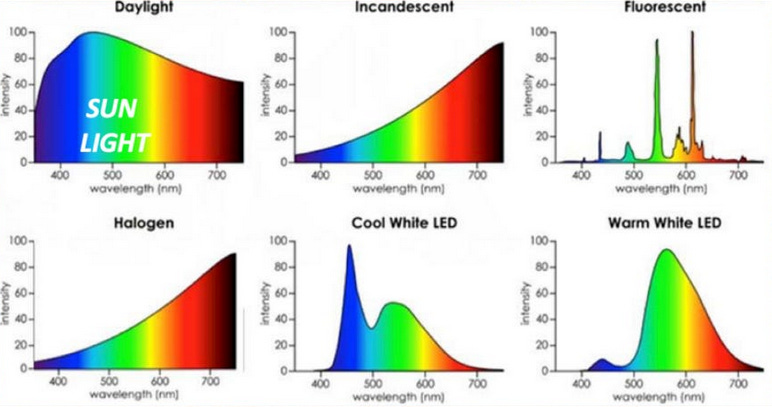
We had been living in full spectrum sunlight for our entire human existence up until this point. Could it be possible that many of us became more sensitive to the sun, specifically the more intense UV wavelength, as we lived and breathed mostly indoors, now under electric lighting?
Meet Emma: the Energy Vampire
Fast forward one hundred and fifty years: how has our skin and health situation changed? Turns out not too much - other than the fact that now we’re too out of shape to work in a coal mine all day.

The creepy, life-sized ‘Colleague of The Future’ is a warning from a team of health experts led by behavioral futurist William Higham about what office life is doing to us.
“The outcome is Emma. Emma is the extreme representation of the stressed, sedentary office worker of the future.”
Hiding out indoors too long can make us look like vampires with bloodshot-red eyes, pale skin, and a hunchback. Emma isn’t sucking our energy right now, but her energy has been certainly drained by the blue light-toxic office environment in which she works.
What do you think is going to happen when we’ve been inside most of the year, sitting in front of our phones day and night, only to don a thong on July 4th?
Who’s more responsible for our sunburn?
The Sun, or our lifestyle?
How do we build back our skin?
Sunscreen disrupts our body’s natural mechanism of solar protection: melanin synthesis. Melanin is produced in response to sunlight exposure, builds up over time, and eventually produces a healthy tan with protection that can last for years.
“The powerful antioxidant effects of melanin protect you from UV rays, while you can still enjoy the many health benefits of visible light and infrared light.”
~ Stephanie Seneff, Ph.D, MIT Senior Research Scientist
UV actually lets us create and absorb certain amino acids such as tyrosine, which ultimately get converted to crucial hormones such as dopamine and melanin.
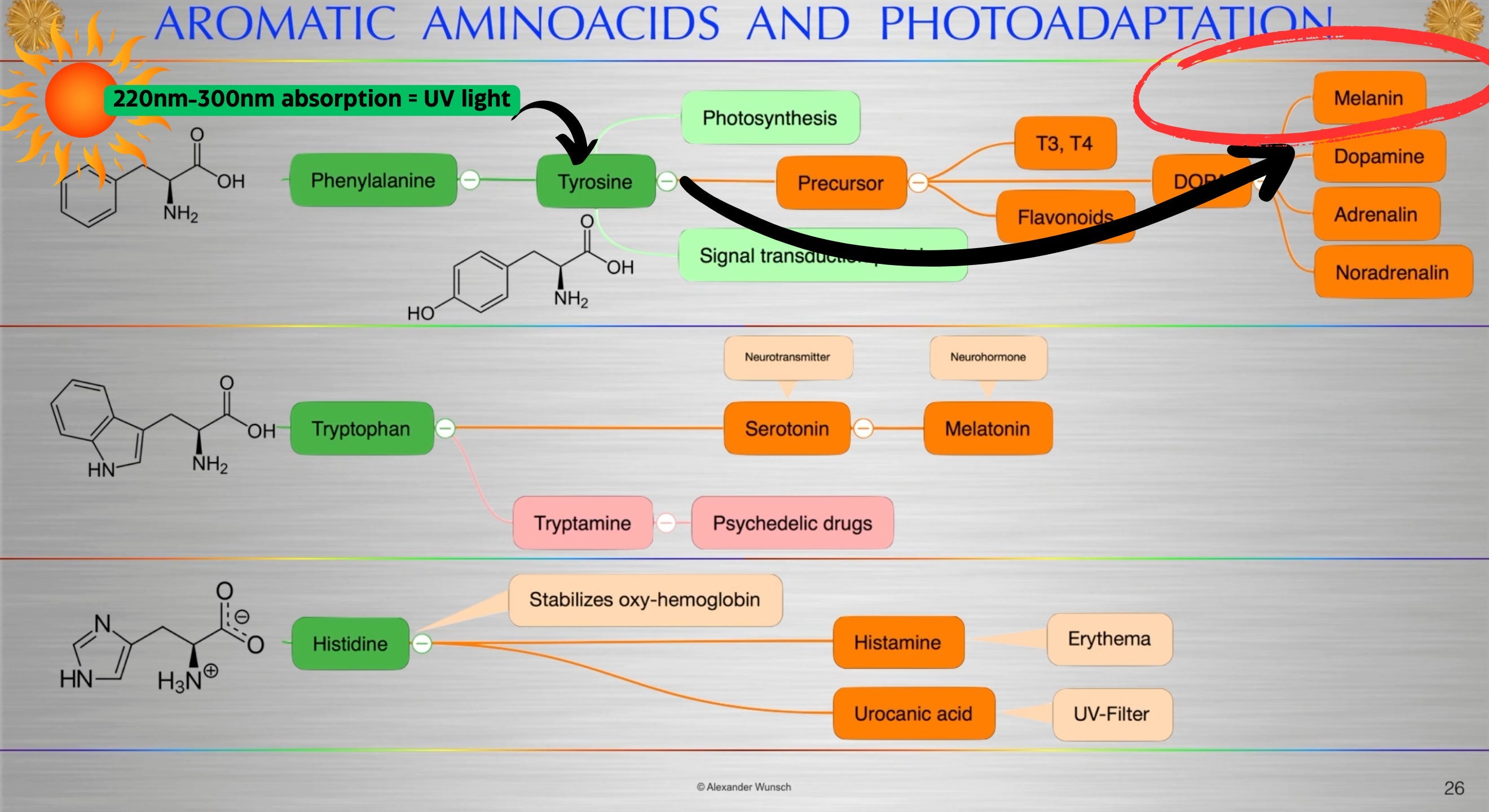
Melanin is not only able to transform UV light into heat, which our bodies use to fight cancer cells, but also enhances the amount of infrared (IR) light we can receive from the Sun. IR not only helps our bodies repair, IR further builds our skin’s tan, or what is also known as our solar callus.
The Early Bird Gets the Tan
Early morning light has no UV, but has balanced blue and red light frequencies. The picture below shows the second way we can improve our skin. When we get IR-A (infrared light) on our skin prior to any UV, this helps us build our solar callus:
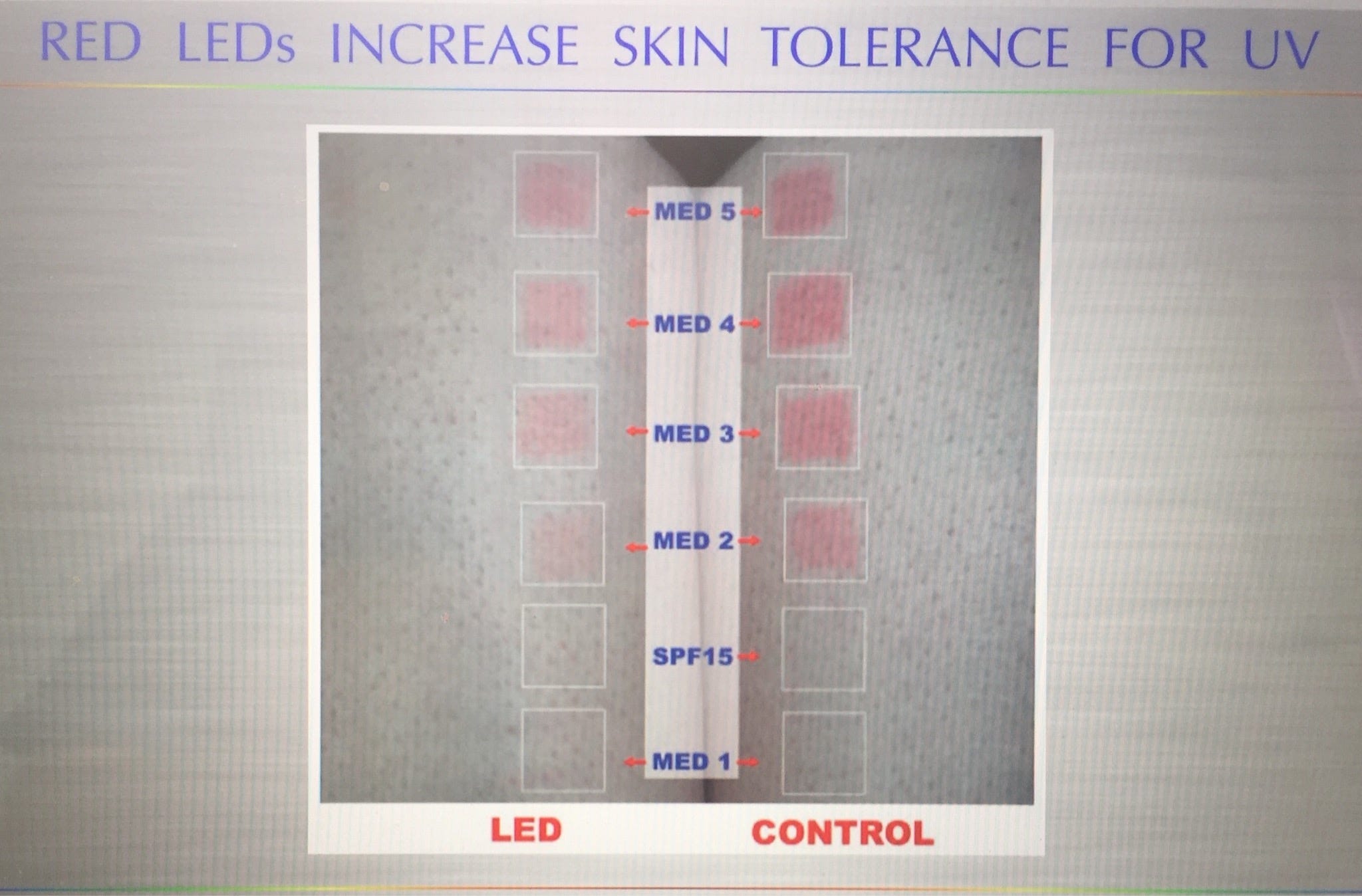
The more IR-A we get (noted as exposure to red LED on the left) the less of a burn we get on our skin when we go into a stronger sun with more UV.
Sunscreen drains our energy
Melanin is not only a pigment that helps us absorb more UV, it’s our bodies’ battery bank. Melanin is what gives our skin its literal spark, helping us accumulate electrons from our local environment, replenishing our organs with necessary electrons that can even help detox heavy metals, while insulating us at the same time.
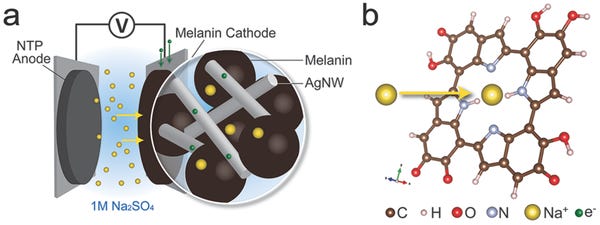
Ever get goosebumps? This is due to the melanin in our hair and skin working to transfer and conduct energy to where we need it most by maintaining our static electricity. When we cover ourselves up with sunscreen, we cut ourselves off from the zest, or styrofoam peanut, of life:

Our skin is our largest organ. Why would we want to cover it up, and disconnect our electrical circuitry?
SPF, UPF, UV-A, WTF?
SPF (sun protection factor) sunscreens are traditionally sold as blocking out UV-B, which is the type of light that burns. Like the pills we take, to “protective” products like anti-EMF pendants, this can foster a false sense of security.
What happens when we apply sunscreen?
Our skin is our largest organ, and regulates what toxins may or may not pass through into our body. This is why many of us put on sunscreen, because we think we’ll be protecting our skin from the potentially-harmful rays of the sun. However, slathering ourselves with this chemical cream may be doing the exact opposite.
Imagine you’re outside on a beautiful day in June. You have your sunscreen on, and ready to have some fun in the sun. You feel impervious, and are out for hours, constantly re-applying and slathering yourself with goo every hour or two.
You may be surprised to know that many sunscreens block mostly UV-B light. Why is this a problem? Everything in nature has a purpose. UV-B is what leads to localized inflammation (which in doses can even be beneficial). This inflammation creates a sunburn, telling us we’ve had enough for the day and it’s time to head to the tiki bar to share this article and support The Power Couple.
Please support our work with a premium subscription!
(just $5 per month).
If we block UV-B, we don’t create the swelling and inflammation that is needed to truly protect the innermost layers of our skin, where DNA may be damaged. Since UV-B has a shorter wavelength (280-315 nanometers) vs UV-A (315-400 nanometers), it not only doesn’t penetrate as deep, but is responsible for building our solar callus and thickening our skin, so that we can go on to fight another day like golden gladiators in the modern colosseum of radiowaves.

If we stay out in the Sun longer because we don’t feel a burn, we could potentially let in even more UV-A than we would normally, which penetrates deeper into our skin due to its longer wavelength, wreaking havoc on our DNA and potentially exacerbating cancer as a result.
Broad Spectrum to the Rescue?
Some sunscreen manufacturers have recently shifted to what is known as broad spectrum, which blocks both UV-A and UV-B. However, now even more of the UV spectrum is blocked, cutting us off from this potent light source. As shown in the above graph of amino acids, UV allows us to create many of our thyroid hormones, along with dopamine, serotonin, and melatonin. Remember - when we’re under the sun, we’re also receiving infrared (IR) light, which serves to repair and regenerate our skin tissue as well.
We also need to maintain our own internal balance of common sense when absorbing this potent medicine. If you’re a pale Nordic, am I telling you to run naked this summer in the bush of Australia for hours?
Not without at least a fig leaf covering your parts. In all seriousness, sun exposure needs to be approached gradually, with care, and caution. Now back to that fig leaf…
“Natural” Sunscreens
If you want truly natural sunscreen, olive oil might be a better alternative than the titanium dioxide nanoparticles that are often sold in many “natural”, benzene-free sunblocks. These types of sunscreens have also been shown to double our risk of a bacterial Staph infection!5
Do you know of any good natural sunblocks?
We’d love to know what you’re using, or have used in the past!
The Sunscreen of our Ancestors: Clothing
If you truly want full spectrum protection, look no further than the clothing aisle. Hemp clothing has been shown to have an average UPF of 50, which means it is 99.9% effective in blocking UV-A and UV-B rays, according to third-party testing. This style of sun protection doesn’t discriminate UV-B over A, and for that reason filters those rays more evenly than sunscreen.
Hemp/cotton blends are also a decent choice:
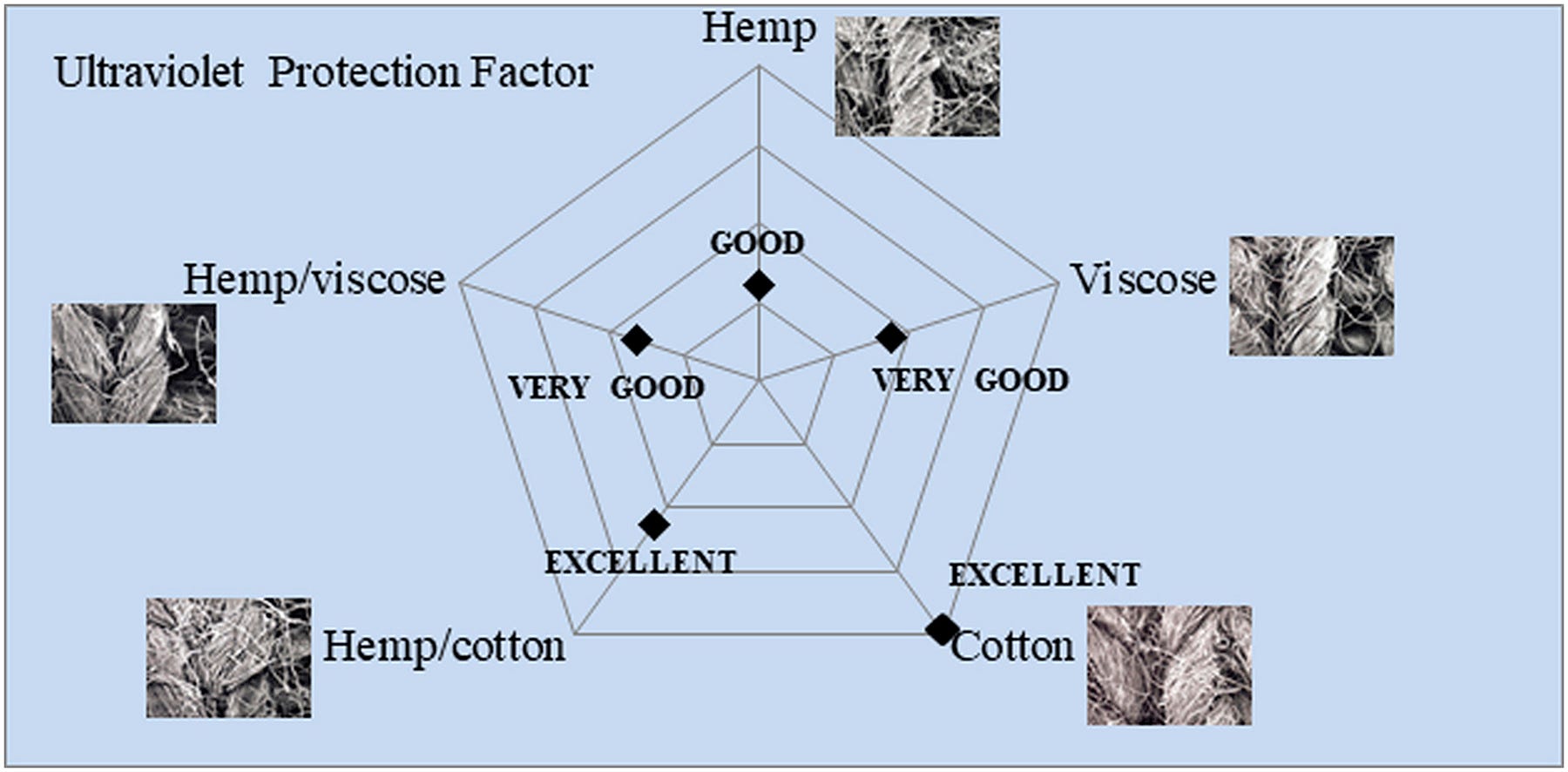
Personally if I’ve been out all morning, and I’m still in the garden in the mid-afternoon, I’ll wear a hat and one of my old dress shirts, which is mostly cotton.
The benefits of clothing over sunscreen:
Breathable: lets our melanin do its job
Biodegradable: no nasty chemicals
My personal favorite: you can just take your shirt off and put it back on! (When in-laws like to “surprise” you with a visit and you look like a caveman.)
If you can’t eat it, would you put it on your skin?
Do I guzzle Coppertone? No. But I do love my cold-pressed Cretan olive oil. Studies show that ingesting foods rich in omega 3s such as DHA can help protect against sunburn.6
DHA is the most ancient omega3 on Earth, being over 600 million years old, and actually controls how we express our genetics. In every organ, the concentration of DHA vastly outweighs the concentration of any other omega3.7
If my skin has become a bit dry after being outdoors for too long, I smear that olive oil on myself, and feel like a true Roman once more.
Our Vitamin D-lemma
People in the northern hemisphere suffer from chronically-low levels of Vitamin D, which may do more harm than good when we take it as a supplement.

If we’re advised by dermatologists to get less Sun, how do we become healthy?
What’s the optimal way for us to absorb Vitamin D?
The Sun! Specifically the UV-B range of light that most sunscreens block.
UV-B makes Vitamin D3 from LDL cholesterol. Now, this is an important fact to remember - if we don’t have cholesterol, we can’t make hormones or vitamins in the right amounts. When we can’t make enough Vitamin D, we become more vulnerable to cancer, heart disease, and depression.
A dermatologist from the University of Edinburgh, Richard Weller, is fighting the mainstream narrative of the Sun being bad for us. Weller began to doubt his profession around 2010, when researching nitric oxide (NO), a molecule produced in our body that dilates blood vessels and lowers blood pressure.
During the darker months of the year, the further we are from the sunny equator, the greater our risk for increased blood pressure, heart disease, stroke, and overall mortality.
Weller had a eureka moment:
🤔 Could exposing skin to sunlight lower blood pressure?
Weller exposed volunteers to the equivalent of 30 minutes of summer sunlight without sunscreen and their nitric oxide levels went up and their blood pressure went down!
“Because of its connection to heart disease and strokes, blood pressure is the leading cause of premature death and disease in the world, and the reduction was of a magnitude large enough to prevent millions of deaths on a global level.”
~ Rowan Jacobsen, Is Sunscreen the New Margarine?
You’re less likely to die from skin cancer when you tan in the Sun
Did you know that you’re less likely to die of skin cancer if you’re out in the Sun?
Skin cancer kills less than 3 per 100,000 people in the U.S. each year. For every person who dies of skin cancer, more than 100 die from cardiovascular diseases.
Pelle Lindqvist, a senior research fellow in obstetrics and gynecology at Sweden’s Karolinska Institute, home of the Nobel Prize in Medicine, tracked the sunbathing habits of nearly 30,000 women in Sweden over 20 years. Lindqvist found that sun worshippers had a higher incidence of melanoma - but they were eight times less likely to die from it.
Lindqvist decided to look at overall mortality rates, and the results were shocking. Over the 20 years of the study, sun avoiders were twice as likely to die as sun worshippers.
In a 2016 study published in the Journal of Internal Medicine, Lindqvist’s team put it in perspective:
“Avoidance of sun exposure is a risk factor of a similar magnitude as smoking, in terms of life expectancy.”
Maybe we should go back to smoking then?
Sounds way more fun than being indoors, watching our calories and slathering on lotion like Buffalo Bill from Silence of the Lambs.
After all - if we go into the sun and smoke at the same time, then we’re more like cowboys. Who doesn’t want to secretly be a cowboy or cowgirl? I don’t smoke, but I do secretly (and now publicly) want to be a cowboy.
What causes skin cancer?
Swedish researchers Orjan Hallberg and Olle Johansson have shown that the overall rate of cancer changed precisely with the increase in exposure of the population to radio waves. In Sweden, the rates of cancer accelerated in the 1920s, 1955, and 1969. In their article, “Cancer Trends During the 20th Century”, the authors note: “In 1920 we got AM radio, in 1955 we got FM radio and TV I, and in 1969 we got TV II.”
Johansson and Hallberg continued to focus on FM radio exposure in connection to malignant melanomas (skin cancers), upon following up on the findings of Helen Dolk at the London School of Hygiene. Dolk and her colleagues had shown that the incidence of skin cancer declined with distance from powerful TV and FM radio transmitters, noting that the FM frequency range of 85 to 108 MHz is close to the resonant frequency of the human body.
In their article, “Malignant Melanoma of the Skin - Not a Sunshine Story,” Johansson and Hallberg refute the claim that the incredible surge of melanoma since 1955 is caused primarily by the sun. Rates of melanoma on the head and feet barely rose at all between 1955-2008, while rates for areas of the body that are typically clothed, especially by Nordics, increased twenty times.8
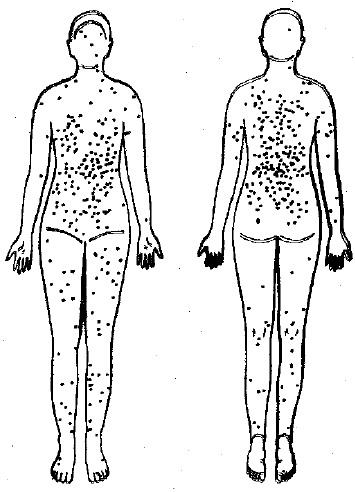
Olle Johansson was recently interviewed by Leland Stillman, MD. You can watch the interview here: The Hidden Cost of Wireless Technology.
A potential remedy for sunburn: DHEA
Bohdanna and I aren’t huge fans of taking supplements we don’t need, especially hormones. However there is one that we’ve started taking recently that shows promise - DHEA (dehydroepiandrosterone). DHEA is a steroid hormone produced by the adrenal glands. It’s a precursor to both testosterone and estrogen in the body, although it may play other physiological roles as well. Dr. Jack Kruse isn’t huge on taking supplements either, but he recommends DHEA for women and men in their forties, depending on their blood levels. An owner of a health food store also recently told me he takes it as well, and has been doing so for three years. He told me he’s 48 years old but looks like he could easily pass for 38. This hormone has a plethora of benefits, which include improved cognition, sexual function, metabolism, and immune function to name a few. If you do take it, being in the sun will help sulfate the hormone to make it more bioavailable. Dr. Kruse also mentioned that when he was badly sunburned, he applied topical DHEA with astounding results:
“Many people might remember that I went surfing the day before AHS 2011 in Santa Monica, and I got really pink to red. Several people mentioned that because I was fair, I would likely be sporting a nasty peel soon. I told several of the people at UCLA my little trick for avoiding all sunburn peeling after a bad exposure: topical use of a DHEA cream I had formulated. When you protect the blood vessels below the burn, the DHEA does not allow that skin to undergo apoptosis and it actually saves your dermal stem cells. It actually prevents wrinkling, too! I wish I had known this when I was younger, but that is how the science ball bounces.”9 ~ Dr. Jack Kruse
Aloe vera is also amazing and works wonders, as it clears up dead skin cells with its salicylic acid, which also serves as a gentle exfoliant that helps to unclog pores and prevent acne. Get the fresh stuff. We keep a leaf in the fridge. Who needs cold beer when you can have icy aloe?
Don’t try to be Roman if you’re Greek
There’s no one size fits-all diet, or light diet. Requirements vary individually, based on genetics and environment. Based on your skin type, you might have more difficulty tanning, however this doesn’t mean you shouldn’t get out in the Sun, especially in the early AM when there’s no UV-B.
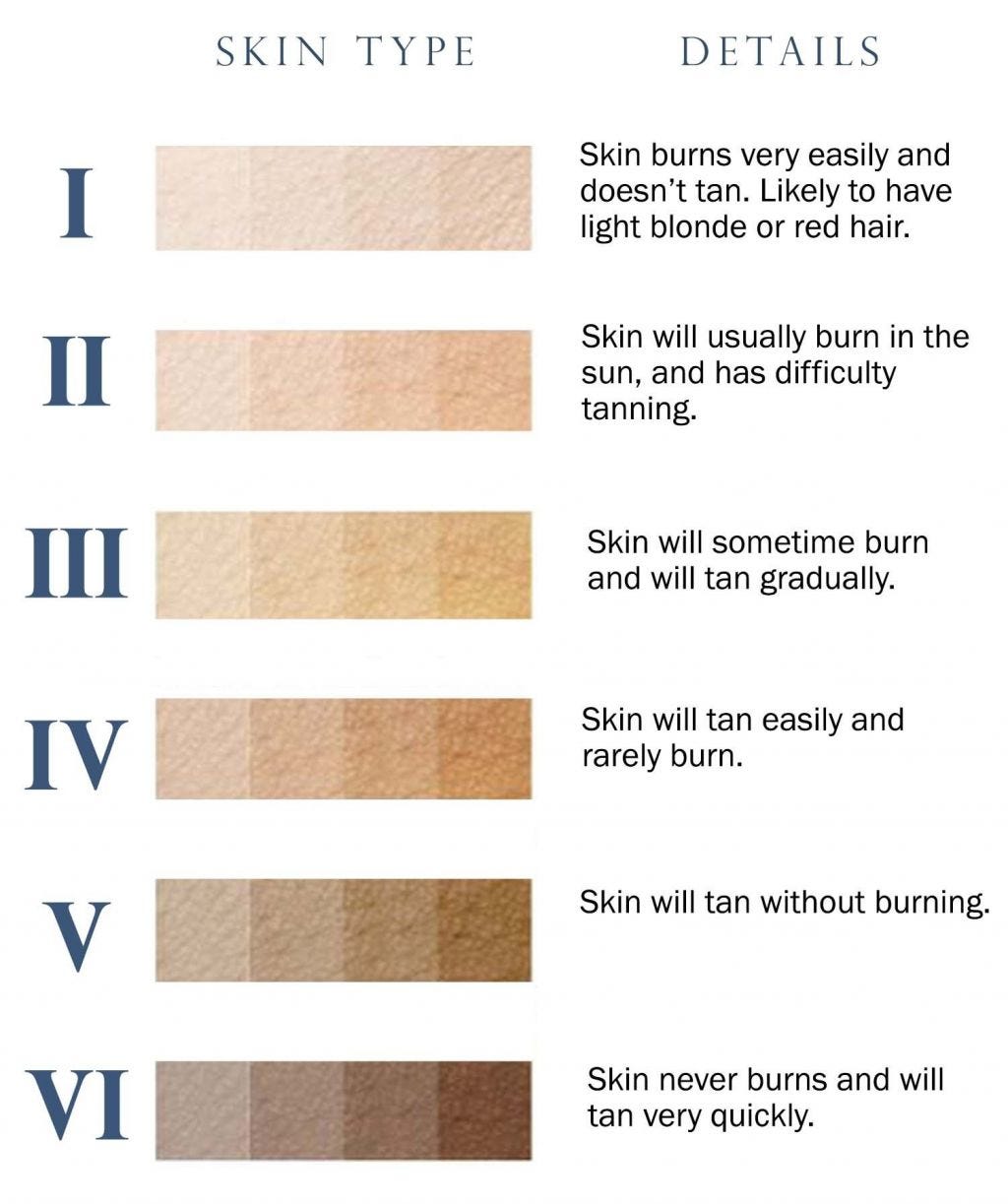
Non-native EMF in the form of cell towers and satellites have confounded nature’s biological tapestry of light, as we are no longer getting the natural balance of blue, red, and other wavelengths. This is why seeing the sunrise and getting out into AM Sunlight is crucial, as the intense blue and violet light is balanced with more infrared, and is what triggers melatonin regeneration for the rest of the day.
When it comes to health hacks and advice, there’s nothing new. Under the Sun, there’s only a renewal of the love for life we all know is possible.
We are more powerful than we know,
Roman & Bohdanna
*We are not licensed medical professionals, and this article is not intended as, or contains medical advice.
You can also support us at The Power Couple Bookshop - dedicated to making us relearn from our ancestors.

Additional Resources:

Finding Out Egyptian Gods’ Secret Using Analytical Chemistry: Biomedical Properties of Egyptian Black Makeup Revealed by Amperometry at Single Cells. Issa Tapsoba, Stéphane Arbault, Philippe Walter, and Christian Amatore. Analytical Chemistry 2010 82 (2), 457-460. DOI: 10.1021/ac902348g
Potential Immunomodulatory Role of Lead in Monocyte/Macrophage Differentiation Stacia M. Nicholson, Francis A.X. Schanne bioRxiv 2023.04.03.535415; doi: https://doi.org/10.1101/2023.04.03.535415
https://zamin.uz/en/world/151965-a-3000-year-old-mystery-revealed-why-did-the-ancient-egyptians-put-antimony-in-their-eyes.html
F. H. Verhoeff, Louis Bell and C. B. Walker. The Pathological Effects of Radiant Energy on the Eye: An Experimental Investigation, with a Systematic Review of the Literature Proceedings of the American Academy of Arts and Sciences, Jul., 1916, Vol. 51, No. 13 (Jul., 1916), pp. 627, 629-818
Yan Xu, Ming-Tzo Wei, H. Daniel Ou-Yang, Stephen G. Walker, Hong Zhan Wang, Chris R. Gordon, Shoshana Guterman, Emma Zawacki, Eliana Applebaum, Peter R. Brink, Miriam Rafailovich, Tatsiana Mironava. Exposure to TiO2 nanoparticles increases Staphylococcus aureus infection of HeLa cells. Journal of Nanobiotechnology, 2016; 14 (1) DOI: 10.1186/s12951-016-0184-y
Pilkington SM, Watson RE, Nicolaou A, Rhodes LE. Omega-3 polyunsaturated fatty acids: photoprotective macronutrients. Exp Dermatol. 2011 Jul;20(7):537-43. doi: 10.1111/j.1600-0625.2011.01294.x. Epub 2011 May 16. PMID: 21569104.
How to nourish babies with electric food

What we’ll learn in this article: 1. How did the human brain evolve? 2. Why is DHA, not DNA, the master of our evolution? 3. How do we use “the force” to power vitality in our bodies? 4. Why fish oil may be doing you more harm than good 5. How cod liver oil can nourish the brains of moms and babies
Firstenberg, Arthur. The Invisible Rainbow. Chelsea Green Publishing, 2020.
https://jackkruse.com/hormone-cpc-1-dhea/
I do not use any sunscreen, never have and have loved Father Sun my whole life. At present I use coconut oil on my skin after I shower. Other than that I do not use anything. Like why would anyone put a chemical shitstorm on the skin then have the sun bake it into you. No thanks. With 86% of Canadians being deficient in their Vitamin DS levels, we have Dr. Bonnie Henry Jekyll stating you only need 500IU a day. She is so full of shit, I take 5000IU a day in the winter, this year my numbers were 135, your numbers should be 150-200. I at times did not take them so that is why I was low, the worst part is....here in BC they do not test your Vitamin D3 levels, you have to pay for it yourself at 72.00. This so called doctor was suppose to have preventative health training, I call BS, she is now up for an Order of Canada, I guess murdering people gets you ahead these days.
Super interesting! I know that when my diet was more alkaline I did not burn at ALL and I am one pale-assed vampire LOL. I believe at times I was also taking medications that I would be hesitant to take now for acne that made me more susceptible to the sun like Doxycycline. I was absolutely vegan at the time and my mom joked I was "human photosynethsizing". Not sure if this a is a true thing but it makes sense. At the same time, we never hear of animals, even predators, who are outdoors, being sunburned and not all them have a thick coat to protect them.
One thing you didn't touch upon and it's probably because I am also an obsessive quest for knowledge of toxicants, is many sunscreens contain terrible cancer causing ingredients and arguably can cause skin aging what they are claimed to prevent!
I don't think discouraging sunscreen altogether may be wise for those who need to work on building their body up to tolerate light, but if they are going to use sunscreen, based on my knowelge, mineral sunscreen is advisable over chemical sunscreen....items that contain zinc oxide, etc., which actually help acne. However, the other day I came across research saying them chemicals can be nanoparticle in origin, and nanoparticles, based on my knowledge, pose a danger to human life. In fact, Sephora, despite all the other dangerous products there, banned Dr. Perricone's products on the fact they used nanotechnology in their products!
Another simple solution that's quicker than lathering products on your skin is just wearing a wide-brimmed hat or going out during times when the sun is not at its strongest.
And I am not just saying this because Kruse defamed me (for no reason) and launched an attack with his friend McKernan and others to say very explicit graphic things against me, but DHEA - even in cream product - can affect one's hormones, so despite me not being a healthcare provider, I would suggest not using something like this without medical supervision. Aloe is natural so I would trust that, not a synthetic product pushed by Kruse, who by the way, also lies about his credentials and is operating a clinic in Florida without a medical license and his BFF McKernan perpetrates the fallacy of the PCR tests, was the former head of the Human Genome Project, associated with Jeffrey Epstein, and claims cancer is now "contagious". More on that on my own upcoming substack though.
As always thank you for this information and I appreciate all your citations!
Wishing all of you good health and be free of painful sunburns! :)